Tooth Restoration With Dental Implants
Transform your health and your smile by replacing missing teeth. While traditional bridges, partials, and dentures only replace the crown(s) of teeth, comprehensive tooth replacement with dental implants restores both the visible portion of teeth and their roots.
The crown and root of a tooth work together with the gums and jaw to provide a stable bite and stimulation for the bone. Dental implants provide this stimulation for a tooth restoration option that looks and functions like your natural teeth and has the strength to keep you smiling for years.
Treatment of Periodontal Disease
If you’re diagnosed with periodontal disease, non-surgical and surgical periodontal therapies may be indicated.
Early gum disease (gingivitis) can be easily reversed with prompt non-invasive treatments, but if it isn’t, your condition can progress to periodontitis. This condition often requires surgery and more complex techniques to restore gum health and prevent tooth loss and jawbone shrinking.
If you have progressing gum disease, avoid losing teeth with our advanced periodontal procedures, including gum grafts, pocket reduction, and regenerative bone therapy. Maintain your gum health with periodic non-surgical periodontal treatments.
Treating Gum Recession
Do you have sensitive teeth or a receding gum line? Our gum recession treatments are designed to help restore your oral health.
Gum recession degrades the appearance of your smile and promotes the progression of serious gum disease by allowing bacteria to percolate below the gum line and cause bone loss. If treated early and proactively with regenerative treatments, such as a gum graft the lost gum tissue can be restored to a healthy and esthetic form.
If not addressed quickly, receding gums and bacteria build-up can lead to more serious concerns, requiring more invasive procedures.
Non-Surgical Procedures
Maintain the quality and health of your smile with our routine, non-surgical therapies.
Healthy gums are vital for an attractive smile. Dr. Salamati can help you maintain ideal gum health with non-surgical periodontal therapies, including deep cleanings, systemic antibiotics, and local antimicrobials.
A proper at-home oral health routine and regular dental visits help prevent gum disease from spreading deeper into soft tissue and bone. If you notice any early tell-tale signs of gum disease, call Dr. Salamati to schedule the earliest appointment you can. Save your smile with simple, non-surgical treatments.
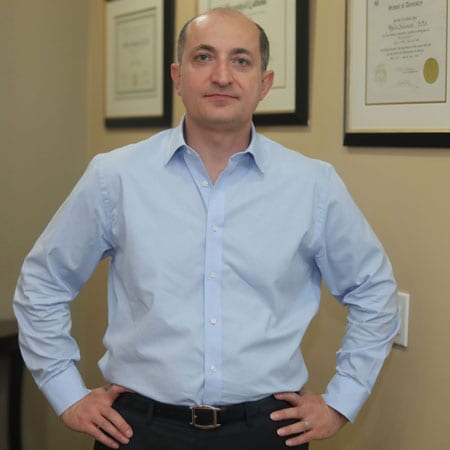
Dr. Salamati, Diplomate of the American Board of Periodontology
Don’t leave your smile and health in the hands of just anyone! Dr. Salamati is a board-certified specialist in the treatment of periodontics and dental implants
The quality of your oral health is reliant on the skill and experience of your dental professional. Dr. Salamati is a board-certified periodontal specialist who has spent his 20-year career perfecting the art of dental care. His specialized care in dental implants, the treatment of periodontal (gum) disease, and non-surgical maintenance will leave you with a brilliant smile.


How Can We Help?
If you're interested in learning more about one of our procedures, feel free to contact us for additional information.