Gum Graft Surgery in Los Angeles and Beverly Hills, CA
Gum Graft Surgery in Los Angeles, CA
When periodontal disease has progressed to the point where gum recession has exposed tooth roots, it threatens more than just your oral health.
In addition to pain, sensitivity, and tooth loss, periodontitis can increase your risk for further complications and illnesses that affect your entire body. Fortunately, Dr. Afshin Salamati performs gum grafting for his Beverly Hills and Los Angeles patients.
Table of Contents
- What Is Gum Graft Surgery?
- Who Is an Ideal Candidate for Gum Grafting?
- What Are the Benefits of Gum Graft Surgery?
- What Surgical Techniques Are Used in Gum Graft Surgery?
- How Is Gum Graft Surgery Performed?
- What Can You Expect During Gum Graft Surgery Recovery?
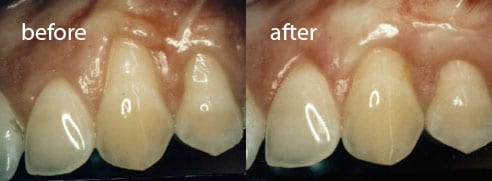
- What Results Can You Expect After Gum Graft Surgery?
What Is Gum Graft Surgery?
Gum graft surgery, also known as a gingival graft, is a dental procedure designed to restore and protect areas of your teeth where the gums have receded. Gum recession happens when your gum tissue pulls away from your tooth, exposing the root and leaving it vulnerable to sensitivity, decay, and further tissue loss.
During gum graft surgery, healthy gum tissue, either from your own mouth or a donor, is carefully placed over the exposed tooth roots. This new connective tissue graft replaces lost gum tissue and integrates with your existing gums, covering the exposed area of the tooth and restoring a stronger, healthier gum line.
By rebuilding lost gum tissue, gum graft surgery not only improves your overall oral health but also enhances the appearance of your smile. The result is a more aesthetically pleasing gum line, increased tooth protection, and decreased tooth sensitivity when eating or brushing.
Who Is an Ideal Candidate for Gum Grafting?
Early gum disease (gingivitis) can be treated with a deep cleaning treatment (scaling and root planing) and a proper oral hygiene routine, so there is no need for surgical intervention.
However, when gums have receded significantly and gum tissue is being destroyed by an overabundance of bacteria, restoration with soft tissue grafts may be required to save teeth and maintain a healthy jawbone. If resorption has already begun, a bone graft and ridge augmentation may also be needed.
Individuals with receding gums and exposed tooth roots who want to prevent tooth loss are excellent candidates for gum graft surgery.
If gum recession is left untreated, teeth can become loose and eventually fall out. Then, more complex regenerative gum and bone therapies may be necessary to replace the missing teeth with dental implants.
If you think you are a good candidate for gum graft surgery, call Dr. Salamati’s office at (310) 275-1090 to schedule your Beverly Hills periodontal treatment.
What Are the Benefits of Gum Graft Surgery?
Gum graft surgery can restore healthy gum tissue and, when combined with ideal at-home oral health practices, this treatment offers the following benefits to help you:
- Regain healthy gum tissue and a more appealing smile
- Stop further gum recession
- Prevent tooth loss and potential jawbone resorption
- Prevent root sensitivity as well as root and tooth decay
What Surgical Techniques Are Used in Gum Graft Surgery?
During gum graft surgery, Dr. Salamati will remove a thin piece of connective tissue from the roof of your mouth or adjacent areas with healthy soft tissue. This connective tissue graft is then used to cover exposed root surfaces and to provide a band of protective tissue around the tooth, reducing sensitivity, improving gum health, and helping prevent bone loss.
There are several gum grafting techniques that can be used to restore lost gum tissue, and the method depends on your specific needs and the extent of your gum recession.
Connective Tissue Graft
This is the most common method. A small flap is created on the roof of your mouth, and a thin layer of connective tissue is removed and placed over the exposed root. The flap is then sutured closed, and the gum graft is secured in its new position.
Free Gingival Graft
In this approach, a small piece of tissue is taken directly from the palate (without lifting a flap) and attached to the thin gum area. Free gingival grafts are often used to increase the thickness of gum tissue surrounding the teeth.
Pedicle Graft
When there is adequate gum tissue near the affected tooth, a flap (or “pedicle”) is partially cut and repositioned over the exposed tooth root. This method allows the graft to keep its original blood supply, which helps it heal faster.
Donor Graft
In some cases, donor tissue grafts may be used instead of tissue from your own mouth. These grafts are created from medically processed, sterilized donor tissue that has been carefully screened and prepared to ensure they are completely safe. Donated tissue grafts eliminate the need to create a second surgical site on the roof of your mouth, which can speed recovery. Once placed, the gum tissue graft integrates naturally with your existing gum tissue to restore coverage and protect the exposed roots. Dr. Salamati may use AlloGraft Dermal Matrix for patients with extensive gum recession or patients who would like an alternative to using their own palatal tissue for grafting.
The outcome of a gingival graft procedure is highly predictable and results in a stable, healthy band of gum tissue around the tooth.
How Is Gum Graft Surgery Performed?
Gum graft surgery is typically performed under local anesthesia to ensure you’re comfortable throughout the procedure. This dental procedure generally takes about an hour, depending on how many teeth are being treated and the type of gum graft used. After the gum graft is in place, the area is covered with a protective dressing and sutures.
During your gum grafting or bone grafting procedure, Dr. Salamati may apply Emdogain®, which is a gel consisting of proteins that help stimulate the cells that are essential for periodontal regeneration. He may also use Gem 21S® for complex bone regenerative procedures to help promote better healing and regeneration.
What Can You Expect During Gum Graft Surgery Recovery?
Recovery after gum graft surgery is not terribly uncomfortable or lengthy. You may not even have to take time off work, but Dr. Salamati recommends a day of rest or, at the very least, limited activity.
He will prescribe antibiotics and pain medication to prevent infection at both the donor site and graft site, as well as to address any discomfort you may experience during recovery. If you have any allergies to antibiotics, let us know so Dr. Salamati can prescribe a different medication.
Follow these tips to improve your recovery experience:
- Get as much rest as possible for the first couple of days.
- Use ice to help with swelling and potential bruising.
- Eat soft and room-temperature foods for the first few days of your recovery.
Pudding, applesauce, mashed potatoes, squash, and cooled-down soups are excellent choices for soft foods after gum graft surgery, cold foods help minimize swelling and hot foods can cause increased swelling and/or bleeding immediately post operatively.
Dr. Salamati will discuss the particulars of your recovery, including postoperative care instructions, during your consultation and after your procedure. It is essential to follow these instructions carefully to ensure optimal healing.
What Results Can You Expect After Gum Graft Surgery?
Gum restoration improves the function of your teeth and gums while reducing pain and sensitivity, making it easier to chew, eat, and drink, and giving you a better-looking smile.
Check out our patient testimonials.
Gum grafting can also help lower the risk of systemic illness caused by oral bacteria. Some of the conditions that oral bacteria can trigger or complicate include:
- Diabetes
- Respiratory disease
- Cardiac disease
- Chronic kidney disease
- Premature labor, low birth weight, and miscarriage
- Dementia or Alzheimer’s disease
- Osteoarthritis
The results of your gum graft surgery are designed to be long-lasting. Once the grafted tissue has fully healed and integrated with your natural gums, it provides a stable, protective barrier over the roots of your teeth, helping prevent further recession and reducing tooth sensitivity. Most patients notice that eating and brushing are more comfortable, and they enjoy a more even, attractive gum line that enhances their smile.
With good oral hygiene and regular dental checkups, gum graft results can last for many years—often a lifetime. Avoiding habits like aggressive brushing, tobacco use, and teeth grinding will further preserve your graft, keep your gums healthy, and protect your overall gum health.
Your Los Angeles Gum Disease Specialist
Dr. Afshin Salamati cares about his patients and is dedicated to providing advanced dental care in Beverly Hills, California. Where other dentists have failed to properly diagnose and treat patients with mild or advanced periodontal disease, Dr. Salamati has succeeded.
You can trust our dentist to perform a thorough examination and create a custom treatment plan that meets your unique needs and restores the health and beauty of your smile. Dr. Salamati provides dental care for individuals and families in Beverly Hills and Los Angeles, California.
If you are struggling with progressing gum disease, call our Beverly Hills dental office today at (310) 275-1090 or complete our online contact form.