
When Is It Too Late for Gum Grafting?
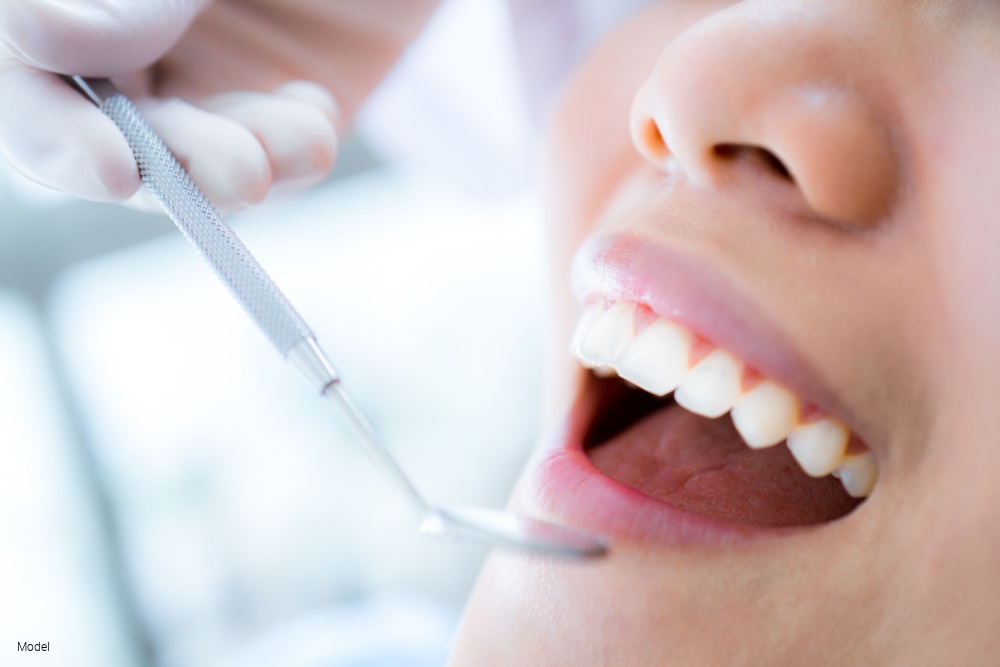
Gum grafting is a surgical procedure used to treat receding gums. If gum recession worsens, it can lead to sensitivity, increased cavities, and tooth loss. While gum grafting can stop this process, it isn’t the right option for all patients. When is it too late for gum grafting? We’ll answer that question and provide options for patients who are not good candidates for a gum graft procedure.
5 Min. Read:
Table of Contents
- The Right Timing for Gum Graft Surgery
- The Stages of Gum Recession
- Factors Impacting the Success of Gum Grafting
- New Grafting Techniques for Late Stage Gum Recession
- Alternatives When It’s Too Late for Gum Grafting
The Right Timing for Gum Graft Surgery
Gum graft surgery is recommended for patients with gum recession, a condition in which the gums pull away from the teeth, exposing the roots. Root exposure leads to tooth sensitivity and leaves the gums and teeth susceptible to bacterial buildup and decay. The best timing for a gum graft is in the early stages of gum recession, which may be characterized by:
- Red, swollen gums
- Bleeding when brushing
- Tooth sensitivity to cold or hot
- Persistent bad breath or bitter taste in the mouth
You might also notice that your teeth look longer in the mirror. This image is caused by gum recession at the base of the tooth, revealing the root. See your dentist if any of these symptoms arise. Early assessment and diagnosis ensure successful gum grafting, reducing your risk of infection and saving your teeth.
Stages of Gum Recession
Gum recession follows these classifications:
- Class I: mild recession without any bone loss
- Class II: more recession, but still no bone loss
- Class III: tissue recession and loss of bone and ligaments
- Class IV: severe gum recession and bone loss
Patients with Class I or Class II gum recession are generally excellent candidates for gum graft surgery. Patients with Class III may be candidates, depending on the extent of existing bone loss. Class IV is often seen with advanced gum disease, and patients in this category are typically not good candidates for a gum graft.
Factors Impacting the Success of Gum Grafting
The severity of gum recession is just one factor that can affect the success of a gum graft. Patients preparing for the surgery should stop or minimizing smoking and practice good oral hygiene to ensure the mouth is as clean as possible. Nicotine can also restrict blood flow to the surgical site, which may hinder the healing process. Dr. Salamati will provide you with instructions to follow before your gum grafting surgery to increase your odds for a successful procedure.
New Grafting Techniques for Late Stage Gum Recession
Although most patients with advanced gum disease are not candidates for gum grafting, Dr. Salamati does perform some advanced grafting techniques that allow him to treat patients with more extensive gum recession. AlloGraft Dermal Matrix is donor tissue that is medically processed and sterilized for a safe alternative to the patient’s own tissue, typically taken from the roof of the mouth. These donor grafts with biologics such as Emdogain allow Dr. Salamati to perform grafting procedures on patients with excessive recession for whom other grafting techniques are not feasible.
Alternatives When It’s Too Late for Gum Grafting
When it’s too late for gum grafting, Dr. Salamati turns to other steps for managing your oral health, such as:
- Antibiotic therapy for infections
- Scaling and root planing to clean teeth below the gumline
- Extraction of unstable teeth and placement of dental implants
- Bone grafting, if necessary, to rebuild the jawbone
While these steps cannot reverse gum recession, they may stabilize your gums to lower your risk for more serious complications.
Wondering About Gum Grafting in Los Angeles?
Early assessment and diagnosis of periodontal disease is critical to ensuring you can undergo effective treatments to stop gum recession and save your teeth. Dr. Salamati is a specialist in periodontal care in Los Angeles and Beverly Hills, and often diagnoses and treats patients with periodontal disease when other dentists have been unable to do so.
If you are concerned about gum disease or want to learn more about gum grafting options, call our office today at (310) 275-1090 or complete our online contact form.