
Stages of Periodontal Disease
Gum disease often starts quietly. You may notice mild bleeding when brushing or slight gum tenderness and assume it’s nothing serious. However, periodontal disease progresses in stages, and without treatment, it can lead to gum recession, bone loss, tooth mobility, and even tooth loss. Understanding the stages of periodontal disease can help you recognize when to act and seek care from a periodontist before the condition worsens.
At each stage, treatment options differ. Early care may involve non-surgical therapy, while advanced cases may require gum surgery or dental implants. Knowing where you stand helps you make confident decisions about your oral health.
Table of Contents
- Stage 1: Gingivitis—The Earliest Form of Gum Disease
- Stage 2: Early Periodontitis—When Damage Begins
- Stage 3: Moderate Periodontitis—Increased Bone Loss
- Stage 4: Advanced Periodontitis—Severe Gum and Bone Loss
- Why Periodontal Disease Progresses Without Treatment
- When Gum Surgery May Be Recommended
- When Dental Implants Become Part of Treatment
- Why Choosing the Right Periodontist Matters
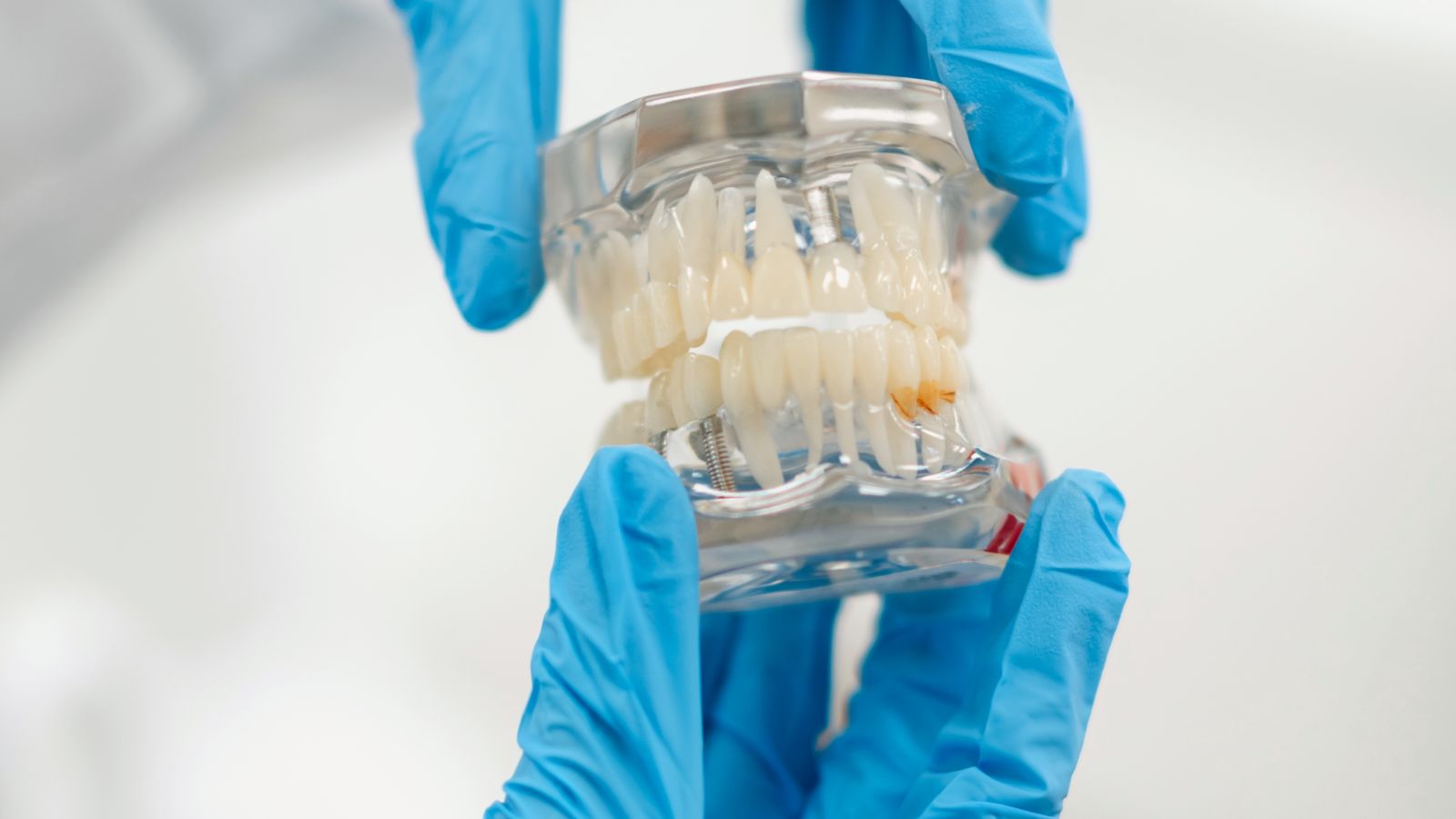
Stage 1: Gingivitis—The Earliest Form of Gum Disease
Gingivitis is the mildest stage of periodontal disease. At this point, plaque and bacteria accumulate along the gumline, causing inflammation without affecting the supporting bone.
Common signs include:
- Red or swollen gums
- Bleeding when brushing or flossing
- Mild tenderness
- Persistent bad breath
You may not feel pain, which is why gingivitis is often overlooked. It’s typically reversible with professional cleaning and improved home care.
Non-surgical periodontal therapy may include:
- Professional dental cleaning
- Scaling to remove plaque and tartar
- Improved brushing and flossing techniques
- Antibacterial rinses
Early treatment prevents progression to more serious periodontal disease.
Stage 2: Early Periodontitis—When Damage Begins
If gingivitis is left untreated, bacteria can spread below the gumline. Your body responds with inflammation that begins breaking down the bone supporting your teeth. This marks the transition into early periodontitis.
Symptoms may include:
- Increased gum bleeding
- Gum recession
- Slight tooth sensitivity
- Mild bone loss seen on X-rays
- Deepening gum pockets
At this stage, treatment becomes more involved but is still manageable. Non-surgical periodontal therapy often includes deep cleaning procedures such as scaling and root planing. These treatments remove bacteria beneath the gums and help the tissue reattach to the teeth. Addressing early periodontitis quickly helps preserve your natural teeth and avoid surgical intervention.
Stage 3: Moderate Periodontitis—Increased Bone Loss
Moderate periodontitis occurs when infection continues to destroy the structures supporting your teeth. Gum pockets deepen further, allowing bacteria to thrive below the surface.
You may notice:
- More pronounced gum recession
- Tooth sensitivity
- Persistent bad breath
- Loose feeling teeth
- Discomfort when chewing
- Visible spaces between teeth
At this stage, treatment may involve:
- Deep periodontal cleaning
- Local antibiotic therapy
- Ongoing periodontal maintenance
- Possible gum surgery, depending on the severity
When moderate periodontitis is treated promptly, progression can often be controlled. Without treatment, the condition typically advances to severe periodontal disease.
Stage 4: Advanced Periodontitis—Severe Gum and Bone Loss
Advanced periodontal disease is the most serious stage. Significant bone loss compromises tooth stability, leading to shifting or loosening of the teeth. Some patients experience pain, while others primarily notice functional changes.
Signs of advanced periodontal disease include:
- Loose or shifting teeth
- Severe gum recession
- Bite changes
- Pus around the gums
- Difficulty chewing
- Tooth loss
Treatment at this stage often requires surgical intervention. Gum surgery may be recommended to remove deep infection and reduce pocket depth. Bone grafting procedures may also be necessary to rebuild lost support.
When teeth cannot be saved, dental implants may be considered to restore function and appearance.
Why Periodontal Disease Progresses Without Treatment
Periodontal disease does not improve on its own. Bacteria continue to multiply beneath the gumline, and inflammation destroys the bone holding your teeth in place. The longer any treatment is delayed, the more complex the solution becomes.
Risk factors that accelerate progression include:
- Smoking
- Diabetes
- Poor oral hygiene
- Genetics
- Hormonal changes
- Teeth grinding
- Certain medications
Regular periodontal evaluations help identify disease early and prevent progression.
When Gum Surgery May Be Recommended
Not every stage of periodontal disease requires surgery. However, gum surgery may be recommended when deep pockets remain after non-surgical therapy or when bone loss threatens tooth stability. By reducing pocket depth and addressing damaged tissue, surgical treatment can make it easier to control bacteria, support healing, and improve the long-term health of the gums.
Depending on your needs, treatment may involve removing built-up bacteria from deep below the gumline, reshaping gum tissue, or performing regenerative procedures to help restore lost support around the teeth. The goal is to preserve natural teeth whenever possible.
When Dental Implants Become Part of Treatment
If periodontal disease leads to tooth loss, dental implants may be recommended. Implants replace missing teeth while preserving jawbone structure. They also restore chewing ability and aesthetics.
Dental implants may be considered when:
- Teeth cannot be saved
- Bone support is insufficient
- Tooth mobility is severe
- Gum disease has been stabilized
Treatment is carefully planned to ensure long-term success. Implant placement is typically performed only after periodontal disease is under control.
Why Choosing the Right Periodontist Matters
Periodontal disease, particularly in its moderate and advanced stages, calls for specialized care from a provider with deep experience in diagnosing and treating complex gum conditions. Dr. Afshin Salamati, a trusted periodontist in Los Angeles, brings 30 years of careful experience and detailed treatment to patients throughout the greater Los Angeles area. As a Diplomate of the American Board of Periodontology, he has earned one of the profession’s highest distinctions in periodontal care.
With Dr. Salamati, you can expect:
- Accurate diagnosis and staging of gum disease
- Non-surgical treatment options, when appropriate
- Advanced gum surgery techniques
- Bone regeneration procedures
- Expertise in dental implants
- Long-term periodontal maintenance planning
Dr. Salamati also offers the TRIOS® Move, an advanced digital scanner that captures highly detailed images of your teeth without the need for traditional messy impressions. It combines high-resolution digital scans with CBCT imaging to create specialized surgical guides, allowing dental implants to be planned and placed with exceptional precision. This technology helps Dr. Salamati to diagnose bone loss earlier, plan surgery more accurately, improve treatment predictability, and provide a more comfortable patient experience.
Want to Learn More About Periodontal Disease in Los Angeles, CA?
Understanding the stages of periodontal disease helps you take action before permanent damage occurs. Learn more about your treatment options from Dr. Salamati by calling (310) 275-1090 or completing our online contact form to schedule your consultation.